From SRA to FCA: What AML Supervision Reform Means for Law Firms
Reviewed by: Tom Devlin, Managing Director at KYC360
Last Updated 03/11/26
For UK law firms in scope, anti-money laundering (AML) supervision is due to move from professional body supervisors to the Financial Conduct Authority (FCA). The FCA expects a phased transfer to start in late 2028 and finish around 2030. Current supervisors remain responsible in the meantime, giving firms time to test whether their controls work across the practice, and whether their records can show it.
Why is AML Supervision Moving to the FCA?
AML and counter-terrorist financing (CTF) supervision is currently divided among professional body supervisors (PBSs) and HMRC. In England and Wales, the Solicitors Regulation Authority (SRA) carries out AML supervision for solicitors on behalf of the Law Society.
The government selected the FCA to supervise legal, accountancy and trust and company service providers. Its June 2026 response sets out the detailed policy for the new model. The aim is to simplify a fragmented system, improve consistency and strengthen information sharing and enforcement.
The FCA already oversees PBSs through the Office for Professional Body Anti-Money Laundering Supervision (OPBAS). In March 2026, OPBAS reported that PBS supervision had improved since 2018, while noting continuing concerns about the strength of some enforcement and the consistency of supervision. The transfer relates solely to AML/CTF supervision. Wider professional regulation remains with existing legal regulators.
What Will Change for Law Firms Under FCA AML Supervision?
The change is expected to affect around 60,000 businesses and sole practitioners, including approximately 7,500 law businesses currently supervised by PBSs. These are estimates and may change as the transition plan develops.
|
Area |
Current position |
Planned arrangement |
|
AML supervisor |
The relevant PBS supervises firms in its sector. |
The FCA takes over AML/CTF supervision as each business transfers. |
|
Registration |
Firms follow their current supervisor’s arrangements. |
A public FCA register is planned, with registration required for AML-regulated activity. |
|
Supervision |
PBSs supervise under the current framework. |
The FCA plans a risk-based, targeted and proportionate approach, with extended supervisory and enforcement powers. |
|
Wider legal regulation |
Existing legal regulators oversee professional and practice matters. |
Those responsibilities stay with existing regulators; only AML/CTF supervision moves. |
|
Legal professional privilege |
Existing protections apply. |
The government has confirmed they will remain. |
The SRA’s July 2026 update summarises the planned register, powers, guidance and enforcement arrangements. The FCA says firms do not need to take action now solely because of the transfer. Current supervisors remain responsible until each firm moves to the new regime.
Will FCA Supervision Change What Firms are Expected to Demonstrate?
The transfer does not itself change firms’ underlying AML obligations. Existing requirements already call for risk-based checks and records that support decisions. Under regulation 28(16), a firm must be able to demonstrate that its due diligence was appropriate to the risk. The government’s policy response states that the reform does not change firms’ obligations under the Money Laundering Regulations.
A single supervisor may bring more consistent questions about how controls work in practice. That is a likely implication of the reform, not a new FCA requirement announced to firms. Compliance leaders should be ready to explain how risk assessments shape due diligence, how staff handle alerts and inconsistencies, and how weaknesses are escalated and addressed. Learn more about the specific AML and KYC vulnerabilities for law and legal services.
How Should Law Firms Prepare for FCA AML Supervision?
Compliance leaders can use the lead-up to test existing controls and address known gaps:
Review risk assessments
Check that they reflect the firm’s current clients, services, jurisdictions, delivery channels and transaction risks.
Test procedures against matter files
Sample work across teams and practice areas. Check that customer due diligence, enhanced due diligence, source of funds checks and approvals align with the firm’s risk assessments and written procedures.
Check screening and ongoing monitoring
Review how staff handle AML KYC screening and adverse media monitoring alerts, and whether decisions and review triggers are recorded.
Strengthen management information and audit trails
Make sure senior management can see overdue reviews, unresolved alerts, recurring deficiencies and the action taken to address them.
Assign a transition owner
Track FCA announcements on registration, guidance, fees and legislation, and plan how the firm will respond when details are confirmed.
These are readiness steps, not a mandatory FCA checklist.
What Does the FCA Transition Timeline Look Like?
The FCA’s current timetable sets out these milestones:
2026: Planning with stakeholders.
2027: Operating model review, following expected legislation.
Late 2028: Phased transition and new supervision expected to begin.
2030: Remaining PBS-supervised firms expected to transfer.
The transition depends on legislation and is expected to happen in phases. OPBAS will continue overseeing PBSs during the transition and close once the FCA has taken over fully.
Why Should Firms Strengthen Controls Before the Transfer?
Known weaknesses in risk assessments, onboarding, screening or record keeping should be addressed under the rules that apply now. Firms can use the transition period to test their controls and make sure decisions are consistently recorded. Our KYC onboarding software and AML KYC screening support structured information gathering and screening workflows. Find out more about KYC for law firms or watch our AML in the UK Legal Sector webinar replay.

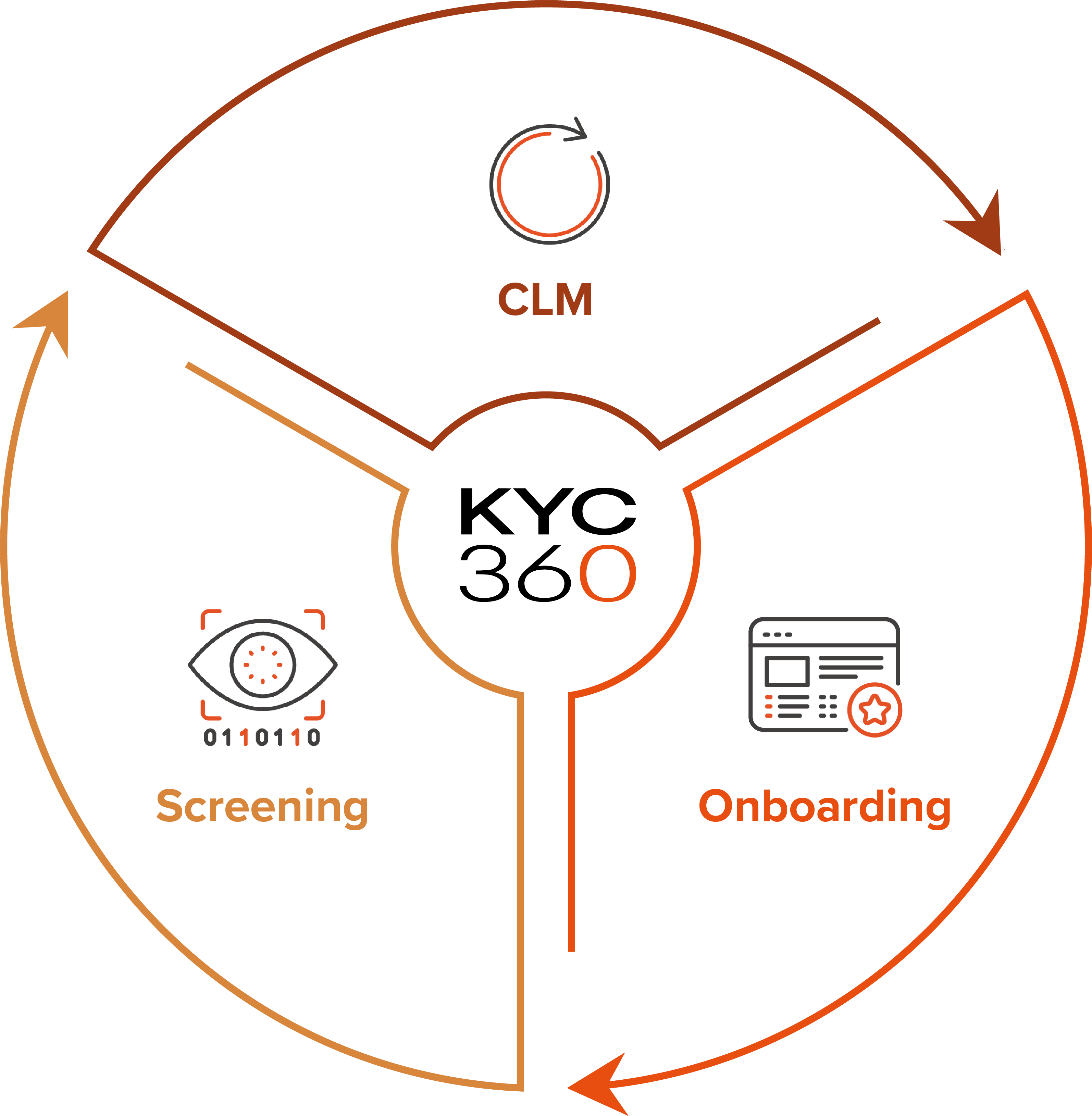
The KYC360 platform is an end-to-end solution offering slicker business processes with a streamlined, automated approach to Know Your Customer (KYC) compliance. This enables our customers to outperform commercially through operational efficiency gains whilst delivering improved customer experience and KYC data quality.
Consolidate your system stack and data vendor relationships with one platform to cover all Onboarding, Screening, Perpetual KYC (pKYC) and CLM tasks, with market-leading data sources pre-integrated under a single license agreement. Live risk scoring and automated data collection enables a shift from periodic to event-driven review, while providing a single actionable picture of real-time risk with all documents and data in one place.